
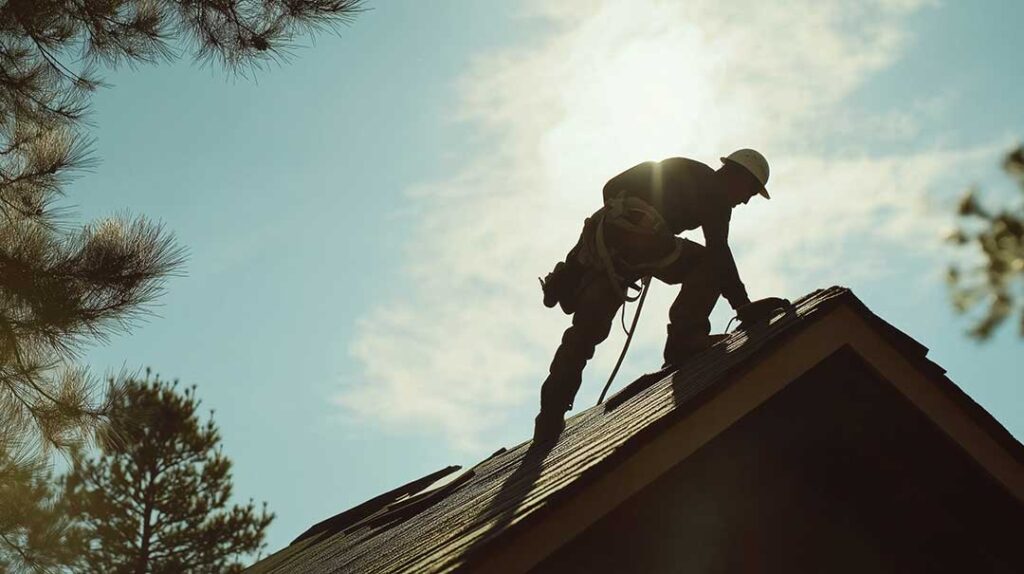
Why Should Residents in Liverpool, NY Prepare Roofs for Hurricane Season?
Stronger storms have reached more areas of Upstate New York in recent years, and while major hurricanes passing directly over Liverpool are unlikely, the city can experience the remnants of hurricanes—bringing high winds and heavy, persistent rain. Local homes, many built decades ago, may not be designed for more extreme weather. Preparing your roof ahead of hurricane season helps protect your home’s structure, prevent interior water damage, and avoid costly repairs later.
What Are the Most Vulnerable Parts of a Local Roof?
The most at-risk areas of roofs in the community are usually:
- Loose or aging shingles, which can be lifted or removed by strong winds
- Flashing around chimneys and skylights, which can allow water infiltration if compromised
- Gutters and downspouts, which can clog and overflow, worsening water damage
- Eaves and soffits, where wind-driven rain can force moisture beneath roof coverings
Homes with older or visibly patched roofs, as well as houses surrounded by large trees, often face greater risk during severe storms.
How Can Homeowners Inspect Their Roofs for Hurricane Readiness?
Pre-season roof checks are best done on a dry day with good visibility. Safety comes first—use binoculars from the ground when possible to inspect shingle condition and flashing. Visually check for:
- Shingles that are curling, cracked, missing, or appear loose
- Rust or gaps in flashing around chimneys, skylights, and vent pipes
- Damaged or disconnected gutters and drainage components
- Tree limbs or debris resting on the roof
If you must climb up for a closer look, use a stable ladder and consider having a second person nearby. Never go onto steep or wet roofs.
What Practical Repairs Can Be Done Before Hurricane Conditions Arrive?
Small repairs can make a big difference if done before storm season:
- Replace missing or damaged shingles with new ones that match the current roof
- Re-secure or replace loose flashing—ensure it lays flat and covers its seams tightly
- Clear out all leaves and debris from gutters and downspouts, and check for sagging sections
- Trim back tree limbs that hang over or touch the roof surface to reduce impact risk during high winds
- Use roofing adhesive, if recommended for your shingles, to seal down edges at eaves and ridges where wind can get underneath
These steps reduce the chances that heavy rain or sudden gusts will create entry points for water or wind.
Are Certain Materials or Roof Styles in Liverpool More at Risk?
Many homes in the area have asphalt shingle roofs, which perform well but are vulnerable to wind lift if not in good condition. Metal roofs, common on garages and outbuildings, can also suffer if fasteners are loose or panels are not well-secured.
Low-slope roofs—less than 4:12 pitch—require extra attention to seams and drainage. Row homes or homes with older construction may rely on rolled roofing or tar-and-gravel systems that need annual maintenance to stay watertight.
How Can Water Intrusion Be Prevented During Extended Rainfall?
Blocking water entry is as much about routine care as it is about urgent repairs. Regularly clean roof valleys, ensure attic insulation isn’t blocking vents, and check for signs of interior leaks—such as dark stains on ceiling plaster or drywall.
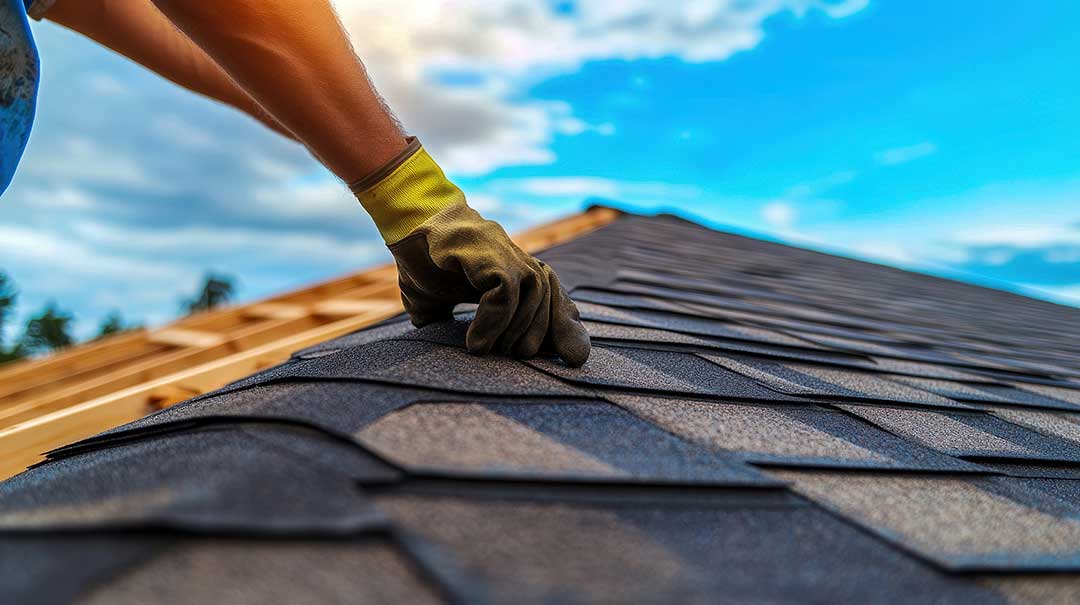
If a storm is coming:
- Confirm attic vents are unobstructed, which helps dry out any moisture that enters
- Walk through upper floors after wind-driven rain and look for water spots or drips
- If necessary, use roofing cement or exterior caulk to directly seal small, visible holes just before severe weather (but plan long-term repairs for after the storm)
What Common Missteps Do People Make Preparing Their Roofs for Hurricanes?
Many residents focus just on visual damage like missing shingles and not underlying issues such as weak flashing or improper attic ventilation. Some believe that a roof that “looks good from the ground” needs no further attention; however, wind can exploit even minor weaknesses.
Another common oversight is skipping gutter cleaning—clogged drainage increases the chance of water backing up under roof edges and into ceilings.
Should Temporary Roof Tarps Be Used as a Preventive Measure?
Tarps are designed for emergency, short-term use only and should not be installed preemptively unless damage has already been identified or repairs cannot be made in time. Rather than covering an undamaged roof, focus on proactive repairs and maintaining proper drainage to avoid needing tarps at all.
When Is It Unsafe or Inadvisable to Handle Roof Work Yourself?
While light inspections and minor repairs (such as replacing a few shingles or clearing gutters) can be managed by many homeowners, situations that require walking on steep roofs, dealing with electrical components, or repairing large sections of damaged roofing should be left to a qualified professional—especially after a storm or if structural issues are noticed. Local building codes may also specify requirements for significant repairs or reroofing.
What Else Can Be Done Around the Home to Protect the Roof During Hurricane Season?
Beyond direct roof work, a few additional measures provide extra resilience:
- Secure outdoor furniture, grills, and toys, which can become wind-blown hazards to the roof and siding
- Ensure attic hatches are sealed so wind cannot easily get under the roof from inside
- If storage sheds or detached garages have roofing, check their fasteners for tightness and trim back nearby vegetation
In many cases, keeping the roof and surroundings tidy throughout the year is the best defense against sudden weather challenges.
