

Why Is Roof Drainage a Key Concern for Liverpool, NY Residents?
Roof drainage plays a major role in protecting homes in Liverpool, NY, where seasonal rains, snowmelt, and freeze-thaw cycles test every roof. Proper drainage helps prevent leaks, ice dams, rot, and foundation issues common in local houses, especially during spring thaws and heavy summer storms.
In this region’s climate, water can build up quickly on roofs, so working drainage systems are critical. Gutters, downspouts, roof sloping, and attic ventilation all interact to get water off the roof and away from the foundation. Ignoring any part of this system increases the risk of interior damage—something no local homeowner wants.
How Should Roofs Be Designed for Effective Water Drainage?
Effective roof drainage always starts with proper design. The right roof slope (or “pitch”) steers water toward gutters and prevents standing water. In Liverpool, most residential roofs are pitched or sloped rather than flat, which suits the snow and rain the city experiences.
Main design practices include:
- Ensuring a minimum roof pitch—steeper slopes shed water and snow much faster.
- Using roofing materials rated for freeze-thaw and wet conditions.
- Avoiding dead valleys—low sections where water collects—by planning water routes during construction.
- Installing adequate attic insulation to reduce the risk of ice dams in winter.
Flat or low-slope roofs are rare on area homes, but when present, they require special design features like internal drains or scuppers (openings at the roof’s edge).
What Maintenance Routines Keep Roof Drainage Working?
Even the best-designed drainage system needs regular upkeep, especially after Liverpool’s autumn leaf fall and spring pollen season. Clogged gutters can quickly undo good design, leading to overflow, leaks, or ice build-up.
Key maintenance routines:
- Clear gutters at least twice a year—after leaf fall and after snow melt.
- Inspect downspouts for clogs to ensure water drains at least several feet away from the foundation.
- Remove debris like twigs, nests, and shingle granules from roof surfaces and drainage pathways.
- Check for sagging or loose gutter sections—fixing these early prevents leaks beneath the roof edge.
- Look for water stains or mold at exterior walls or soffits as early signs of drainage issues.
How Does Liverpool’s Climate Affect Roof Drainage Choices?
The mix of heavy rain, wet snow, and wide temperature swings shapes local drainage best practices. In winter, ice dams—where melting snow refreezes at the roof edge—can block drainage and push water under shingles. Well-placed insulation, attic ventilation, and heated cables (when necessary) help control this risk.
Factors distinctive to Liverpool include:
- Rainfall running off roofs rapidly in spring and summer, requiring sturdy, unobstructed gutters.
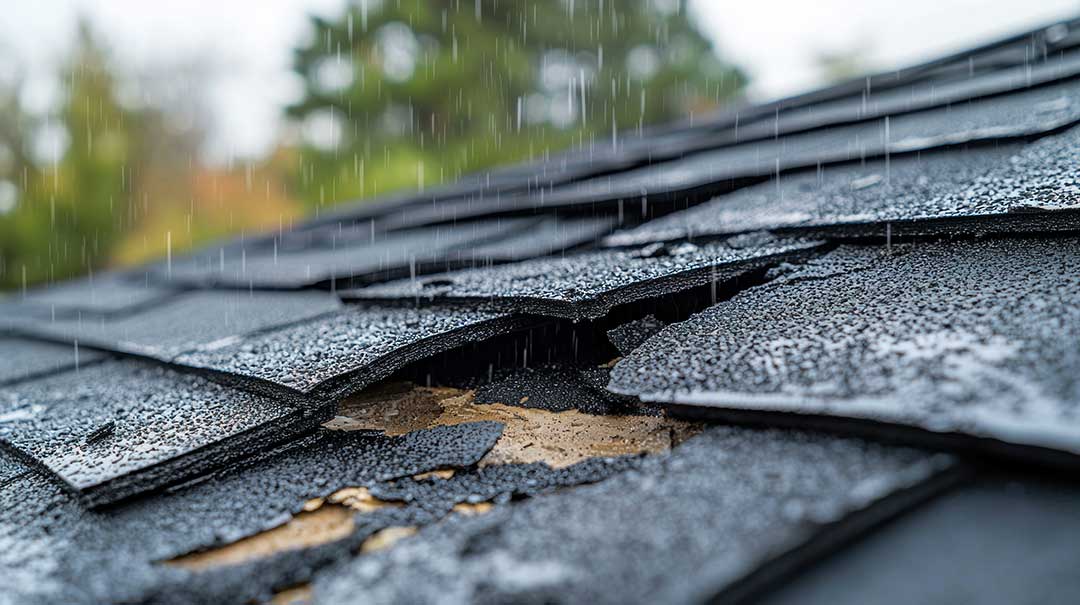
- Freeze-thaw cycles expanding minor cracks, potentially causing gutter separation or shingle lifting.
- Heavy snow accumulating and then melting in spring, which can overflow gutters if downspouts are blocked.
Local homes often benefit from larger-capacity gutters and downspouts, as well as ice and water shield layers beneath roofing at all overhanging edges.
Are Gutter Guards and Covers Worthwhile for Local Homes?
Many area homeowners consider gutter guards or covers to reduce maintenance, but these solutions are not foolproof. The heavy leaf fall from maples, oaks, and pines found throughout Liverpool means guards can help but still require annual inspection.
Pros:
- Reduce larger debris, like leaves or twigs, minimizing frequent cleaning.
- Help keep animal nests and larger objects out of gutters.
Cons:
- Small debris, seeds, and shingle granules can still enter and collect over time.
- Certain guard types may clog or be damaged by heavy ice and snow slides off pitched roofs.
Each home’s situation varies; for houses surrounded by mature trees, guards may lessen but not eliminate the cleaning required. Some areas with fewer large trees might find routine gutter cleaning alone sufficient.
How Far Should Downspouts Drain Water From the House?
Simply getting water off the roof is not enough—it must be routed away from foundations. Persistent puddles near the base of local homes can lead to basement leaks or soil erosion. In Liverpool, it’s best if downspouts release water at least 4–6 feet from the foundation.
Tips for managing runoff:
- Use downspout extenders or splash blocks to spread water away from the house.
- Grade soil around the foundation to slope away, reducing risk of backflow.
- Check municipal guidelines if considering underground drainage—local code may require specific setups for connecting to storm sewers or swales.
Snow and freezing cannot always be fully avoided, but minimizing standing water near foundations is a smart year-round practice.
What Are Common Mistakes Area Homeowners Should Avoid?
Some issues, if overlooked, can cause preventable water damage or long-term roof deterioration. Common missteps include:
- Letting gutters remain clogged through winter, leading to winter ice dams or spring overflows.
- Installing new gutters without adjusting existing roof pitch or fixing sagging areas.
- Allowing downspouts to empty directly against the foundation.
- Neglecting attic ventilation, increasing the risk of ice dams and mold growth inside.
- Using gutter guards that do not match local debris conditions—some screens can actually block water flow if clogged with pine needles or heavy seed pods.
Careful attention to each link in the drainage system—from peak to ground—is the best way to avoid expensive repairs.
How Can Residents Spot Drainage Problems Early?
Being proactive helps catch small problems before they cause big repairs. Residents can watch for:
- Overflowing or dripping gutters during rains.
- Water stains or green algae near soffits or siding.
- Patches of ice or icicles along gutters in winter.
- Dampness in basements or crawl spaces near exterior walls.
- Sagging gutters or visible separation from the fascia board.
Unusual smells or increased humidity indoors can also signal unseen moisture problems from poor roof drainage.
Spotting early warning signs and handling them promptly preserves the integrity of the roof and the whole house in Liverpool’s challenging climatic conditions.
