

Do Most Roofs in Liverpool, NY Really Last 30 Years?
Many people believe that residential roofs automatically last 30 years or more, but this isn't always true in the city’s climate. Local weather puts unique stress on roofing materials. In Liverpool, fluctuating temperatures, heavy snowfall, and summer storms all contribute to faster wear and tear compared to milder regions.
A roof’s actual lifespan depends on materials, installation quality, and ongoing care. For example:
- Asphalt shingles—the most common local choice—often have warranties for 20–30 years but may show signs of aging at 15–25 years.
- Metal or slate roofs can last longer but still require inspection due to ice dams, moss, and seasonal challenges.
Skipping regular roof checks because a warranty suggests “30 years” can lead to hidden leaks and early replacement needs.
Is It Always Easy to Spot Roof Problems from the Ground?
Not all roofing issues are visible from a lawn or sidewalk. Residents sometimes assume that if shingles look flat from a distance, all is well. However, many common problems develop where they’re hard to see.
Hidden trouble spots often include:
- Valleys where two roof planes meet
- Areas around chimneys, vents, or skylights
- Underneath attic insulation, where water stains may form before drips are noticed
Older homes in the community, especially those with additions or non-standard layouts, may have complex roof areas that conceal damage. Inspecting from the ground is a start, but a closer review—especially after major storms or ice melt—is often needed to detect early issues.
Can Roof Repairs Wait Until the Leak Gets Worse?
Some homeowners believe small leaks or missing shingles can just be watched until a bigger problem arises. In reality, Liverpool’s rainy seasons and freeze-thaw cycles can make small problems escalate quickly.
Minor leaks or compromised flashing might seem manageable for weeks, but repeated exposure to moisture, ice, and temperature swings causes materials to deteriorate. Water can seep into insulation, rot wood, or promote mold growth long before obvious water stains appear inside. Acting early to address minor roof flaws prevents small repairs from becoming major structural concerns.
Does a New Roof Eliminate the Need for Regular Maintenance?
Installing a new roof provides reassurance, but it doesn’t mean maintenance is no longer necessary. Every roof, regardless of age, requires attention to stay healthy.
Leaves, branches, and algae collect on new and old roofs alike—especially in treed neighborhoods throughout the area. Gutters clog, flashing bends, fasteners loosen, and caulk joints can break down much faster than expected. Even a year-old roof can suffer if maintenance is ignored after storms or harsh winters.
A simple seasonal checklist—clearing gutters, checking for missing shingles, and trimming back overhanging branches—helps extend any roof’s life.
Are All Roofing Materials the Same for Local Homes?
Choices around shingle type, underlayment, and even color matter significantly in Liverpool. Some residents believe “a shingle is a shingle,” but local needs vary.
Factors like:
- Energy efficiency—Lighter-colored shingles reflect more sunlight, helping with summer cooling
- Snow load—Steeper pitches and robust materials handle winter weight better
- Ice dam resistance—Modern underlayments help prevent water backup under shingles
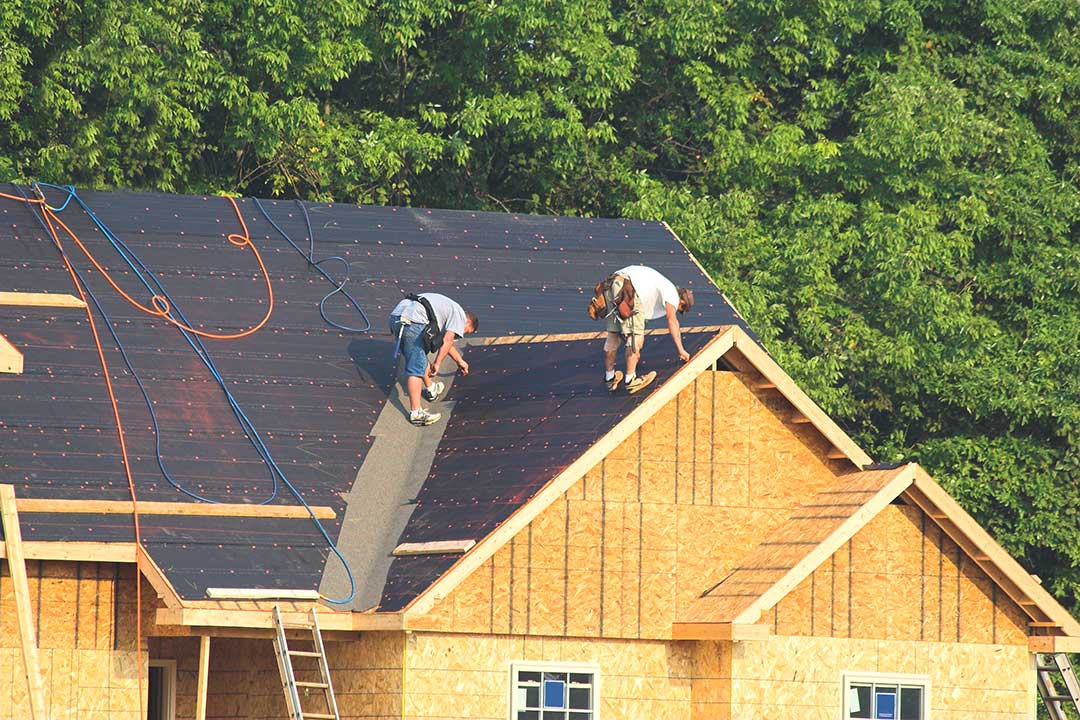
Older homes, row houses, and newer developments may each require different materials and installation techniques. Using products not designed for the local climate can result in faster aging and unresolved warranty issues.
Is Roof Replacement Always the Only Solution for Aging Roofs?
When signs of aging appear—such as curling shingles or discoloration—total replacement isn’t always required right away. Some fixes, such as partial shingle replacement or targeted patching, can extend a roof’s life until a full replacement is feasible.
A professional inspection can identify whether damage is isolated (like storm-damaged sections) or widespread. Timely repairs are practical in many situations and often cost less than a premature full replacement. Balancing safety and practicality is key for area homeowners managing budgets and local weather realities.
Will Home Insurance Always Cover Roof Damage?
It’s a common belief that home insurance is a safety net for all roof troubles. In practice, coverage terms vary depending on the cause and age of the damage.
Policies often exclude repairs for:
- Ordinary wear and tear or gradual deterioration
- Problems traced to lack of maintenance
- Pre-existing conditions on older roofs
Storm or accident-related damage is more likely to be covered, but documenting the issue and keeping records of regular roof care is important to support any claim. Homeowners in Liverpool should review their policy language and not assume every repair will be reimbursed.
Does Roof Work Require a Permit in the City?
Residents often wonder if projects require official approval. Most minor maintenance tasks—like cleaning gutters or replacing a few shingles—do not need a permit. However, larger jobs such as roof replacement or structural changes typically do require city approval and inspections.
Permitting helps ensure work meets building codes, preventing long-term hazards or resale problems. Homeowners are responsible for checking local rules, especially before starting major work on multi-family or historic properties where restrictions may be stricter.
