
Can Tree Limbs Really Harm Your Roof?
Yes, overhanging tree limbs pose several risks to the roof of a typical Liverpool, NY home. The effects may seem gradual, but unchecked branches can shorten roof life, lead to costly repairs, and even impact indoor comfort. While mature trees add shade and curb appeal, their growth patterns frequently bring limbs close to shingles, gutters, and vents. This proximity introduces physical, biological, and environmental challenges that area residents sometimes overlook.
What Types of Roof Damage Are Most Common?
Tree limbs most often cause:
- Abrasions and Granule Loss: As branches sway in the wind, even small twigs brushing shingles can scrape away protective granules over time. These granules help roofs shed water and resist the sun’s UV rays.
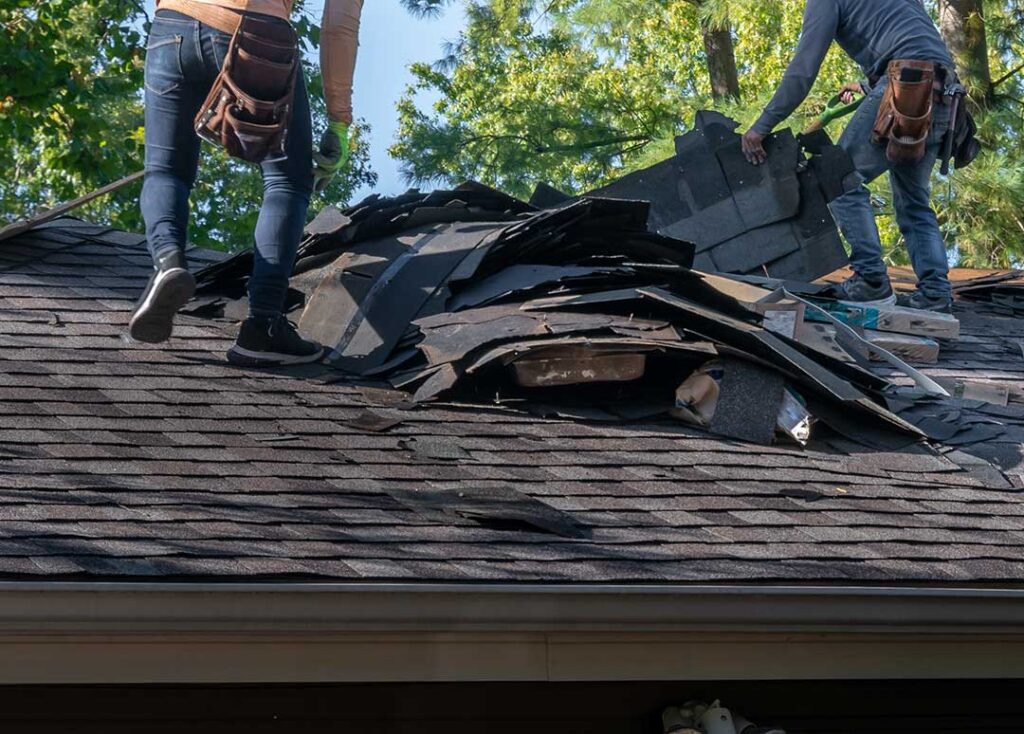
- Punctures and Cracked Shingles: Heavier limbs, especially during storms or under snow and ice loads, may break and fall onto the roof. This can crack, puncture, or dislodge shingles, exposing the underlayment.
- Clogged Gutters: Leaves and small twigs shed by branches tend to accumulate in gutters, causing water to back up under shingles or overflow onto siding or walkways.
- Damaged Flashing and Roof Features: Limbs can interfere with or loosen flashing around chimneys, skylights, or vents, resulting in leaks at these vulnerable points.
Why Do Tree Limbs Cause Problems More Frequently in Liverpool?
The climate and landscaping in Liverpool often exacerbate these risks:
- Heavy Snow and Ice Loads: Snow and ice can accumulate on branches that overhang rooftops. When they break—or simply sag—they may suddenly drop weight onto roofs.
- Seasonal High Winds: Fall and spring storms regularly bring gusts strong enough to toss limbs onto nearby houses.
- Mixed Tree Species: Many Liverpool neighborhoods feature mature maples, oaks, and pines. Each produces different debris: maples drop twigs and leaves, while pines shed needles, contributing to gutter clogs.
Dense residential lot patterns in Liverpool mean that tree canopies commonly extend over more than one house, further complicating maintenance and storm cleanup.
How Quickly Can Overhanging Limbs Cause Damage?
Some effects are gradual, while others can be sudden. Even light, regular contact causes cumulative wear that may not be visible during a casual inspection. During storms or after heavy snowfalls, large branches can cause immediate, dramatic impacts. Small cracks or missing granules may lead to leaks only after several rain cycles; by then, the underlying damage could be extensive.
Are Certain Parts of the Roof More Vulnerable?
Yes. Roof edges, ridges, and valleys are usually most exposed to falling debris and abrasion. Roofs with lower slopes are also more likely to retain debris, leaves, or snow pushed off by branches. Gutters and downspouts along these rooflines often show the first signs of clogging or backup. Vent pipes or attic fans near the edge of the roof are susceptible if a broken limb lands in the wrong spot.
Do Overhanging Limbs Lead to Moss or Algae Growth?
Shade from overhanging limbs slows drying on roof surfaces, especially after rain or morning dew—conditions frequent in Liverpool. This persistent moisture, paired with organic debris trapped by branches, allows moss, algae, and mold to grow faster, particularly on the north or shaded side of a house. Over time, these organisms can damage shingle material and impede proper water flow into gutters.
Can Tree Limbs Attract Animals or Insects to My Roof?
Overhanging limbs create easy “bridges” for squirrels, raccoons, and insects to access roofs and sometimes attics. Squirrels and raccoons may chew roof edges or fascia to find entry points. Ant colonies or carpenter bees sometimes take advantage of continuous damp organic debris to nest near gutters or wooden trim. Birds may also nest in gutters clogged with twigs.
Is Future Roof Lifespan Affected by Neglected Limbs?
Yes. Roofs that endure prolonged abrasion or shading from limbs may fail prematurely, requiring earlier replacement. Moist shingle surfaces and frequent debris buildup can mask early leak signs and rot, making maintenance more challenging. Over time, ongoing neglect may affect not only the roof structure but also attic ventilation and insulation, potentially raising energy costs for area households.
What Can Residents Do To Minimize These Risks?
Practical steps include:
- Regular Visual Checks: Especially after heavy winds or winter storms, look for limbs touching or near the roof, and note areas where leaves or needles accumulate.
- Clearing Debris: Remove leaves, needles, and twigs from gutters and valleys in spring and fall to maintain clear water flow.
- Monitoring for Shade Issues: Watch for persistent damp or moss-prone areas and consider gently brushing away moss with a soft broom (not a wire brush).
- Safe Limb Trimming: If a limb appears dead, cracked, or hangs directly over the roof, an experienced adult can trim smaller branches from the ground with extendable tools. For higher or heavier limbs, safety is a concern—consulting Liverpool’s municipal public works or urban forestry resources for guidance may be advisable.
- Observing Wildlife Activity: Notice any signs of animal or pest presence at roof edges and promptly address ways they might be getting onto or into the home.
What Are Common Misconceptions About Trees and Roofs?
Some residents believe only large, heavy branches pose risks, but even small twigs or consistent debris can silently shorten a roof’s useful life. Another misconception is that mature trees are “maintenance-free"—but all trees near homes need monitoring, particularly as storms or pests change their structure. Some also underestimate the role of shade in promoting moss or ice dam formation.
By understanding both the visible and hidden ways that tree limbs interact with roofs, Liverpool households can make informed decisions about seasonal maintenance and home care—balancing the many benefits trees bring to the neighborhood with long-term roof durability.
