

How Does Sunlight Affect Residential Roofs in Liverpool, NY?
Direct sun exposure is a year-round reality for roofs in Liverpool, NY, influencing everything from surface temperature to lifespan. The combination of strong summer rays and seasonal temperature shifts can have a real impact on different roofing materials commonly used in local neighborhoods.
Roofs absorb solar radiation all day, especially on clear summer afternoons. This steady heat can cause roofing materials to age faster than homeowners might expect. In this region, long periods of sun are often followed by cooler nights – or even rapid cold snaps in spring and fall. This rollercoaster of temperature change stresses roofing surfaces, leading to gradual wear that’s not always easy to see from the ground level.
Which Roofing Materials Are Most Affected by Sun Exposure?
All roofs are impacted by sunlight, but some types see more rapid effects than others. The most common residential roofing in the area includes asphalt shingles, metal, and sometimes flat membrane roofs. Here’s how each responds to sun exposure:
- Asphalt shingles can become brittle as the sun breaks down the oils and binders that give them flexibility. Over time, shingles may curl, crack, or lose granules, which are essential for UV resistance.
- Metal roofs reflect some sunlight, helping reduce heat buildup, but paint finishes and coatings can fade or peel due to prolonged UV exposure.
- Flat roofing membranes may experience surface cracking, blistering, or drying as the membrane materials deteriorate under direct rays.
Homeowners might notice fading, chalky residue, or curling edges depending on their material. However, the initial signs often appear subtle, making early detection challenging.
Can Sunlight Raise Attic Temperatures and Increase Cooling Costs?
Yes, roof surfaces exposed to sustained sunlight can spike attic temperatures – and this is not just a summer issue for area households. Once the roof heats up, some of this energy transfers inside, particularly if roof ventilation or insulation is lacking.
In Liverpool, where air conditioning is common during summer, excess attic heat can:
- Stress cooling systems, making them work harder and potentially driving up utility bills.
- Create uneven temperatures in upstairs rooms.
- Increase risks of moisture problems if ventilation is inadequate, leading to mold or mildew.
Improving insulation and ensuring adequate attic airflow can help buffer living spaces from heat transferred through aging or sun-baked roofing.
How Does Sun Exposure Interact with Local Weather Conditions?
The effect of sunlight on roofs intensifies when combined with specific local weather patterns. In Liverpool, major factors include:
- Seasonal freeze-thaw cycles: Daily rooftop heating by the sun followed by rapid nighttime cooling causes materials to expand and contract. Over months and years, this constant flexing can loosen shingles, degrade sealants, and open up small cracks to water intrusion.
- Heavy summer rains: Sun-exposed roofs that develop small cracks or weakened seams from repeated heating may be more vulnerable to leaks during local thunderstorms.
- Snow and ice impact: If sunlight melts snow during the day and it refreezes at night, the added stress on aging or sun-damaged materials can accelerate wear.
Residents should be aware that the combination of strong sun and variable weather produces unique stressors not always seen in warmer, drier climates.
What Are Common Misconceptions About Sun Damage to Roofs?
Many homeowners believe only harsh summer sun poses risks, or that visible damage means a roof is starting to fail. In reality:
- Even cloudy days allow substantial UV exposure, which slowly degrades roofing materials over time.
- Not all sun damage is immediately visible; roof problems often develop quietly for years before leaks appear inside.
- Light-colored or “cool” roofing materials reduce heat absorption but are not completely immune to UV-related fading or surface wear.
- Reflective coatings or new shingles can slow the effects of sun, but regular monitoring is necessary regardless of material.
What Can Area Residents Do to Minimize Sun-Related Roof Wear?
While it’s impossible to shield roofs from sun altogether, there are techniques to help slow aging and reduce risks:
- Check attics for signs of overheating, such as stuffy air or unusually high temperatures on hot days.
- Inspect roofing surfaces twice a year (spring and fall) for shingle curling, missing granules, chalky residue, or wavy areas.
- Make sure gutters, downspouts, and attic vents are clear to allow proper ventilation and drainage.
- Consider shade from strategically placed trees, keeping in mind their growth and proximity to roofing surfaces.
- Ensure any roof repairs are promptly addressed, as even minor sun-damaged areas can be vulnerable to leaks during storms.
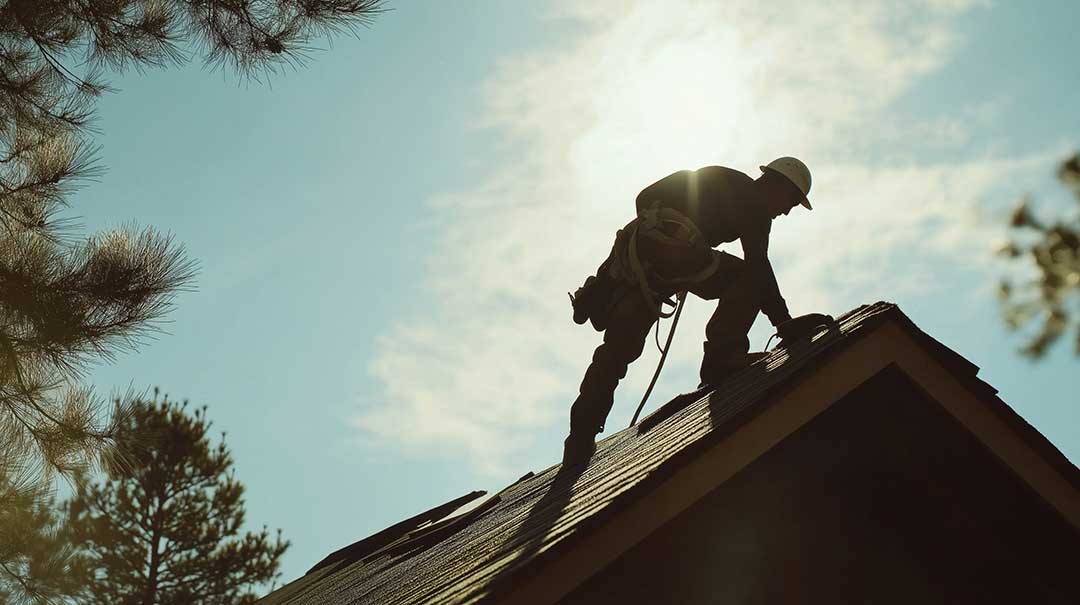
For steeper or higher roofs, always use caution and consider safety first when checking for surface changes.
When Does Sun-Related Damage Become a Safety or Structural Concern?
Typically, once sun exposure leads to widespread shingle loss, major cracks in membrane roofs, or visible sagging, roofing performance may be compromised. If daylight is visible in the attic, or if there are chronic hot spots, rapid interior leaks, or unusual odors after summer storms, these can signal underlying damage that may require professional attention for safety and repair.
