
How Do You Know When a Roof Should Be Replaced?
The life span of any roof varies by its materials, installation, and exposure, making it difficult to pinpoint a universal timeline for replacement. In Liverpool, NY, local weather patterns add extra challenges, so it’s wise to watch for specific warning signs rather than relying on age alone or waiting for problems to appear during a storm.
What are the Most Visible Signs of Roof Wear?
Homeowners often first notice visible damage or changes to their roof’s appearance. These signs can signal deeper issues:
- Curling or missing shingles often appear after repeated freeze-thaw cycles or wind gusts. If several are affected, the underlying structure could be at risk.
- Asphalt granules washing off into gutters, especially after heavy rains, is a clue that shingles are losing their protective layer.
- Persistent dark streaks or patches of moss may point to moisture retention, a common challenge in Liverpool due to damp springs and fluctuating temperatures.
- Obvious sagging in areas of the roof can indicate underlying rotting wood or weakened supports—this condition usually emerges after years of slow deterioration.
Check the roof after severe weather, as high winds, ice, and hail are frequent in this area and may produce new visible damage.
Does Age Really Matter?
While some shingle roofs in Liverpool may last 20 to 30 years, age alone is rarely a deciding factor. Instead, watch how well the roof performs in local seasonal extremes. Materials degrade faster with frequent ice dams, improper ventilation, or heavy snow loads.
If a roof is approaching two or three decades old and has already been repaired several times, future fixes may be less effective—and annual maintenance could become costlier than replacement.
What Subtle Signs Should Residents Watch For Indoors?
Not every early warning sign is found on the exterior. Inside the home, watch for:
- Water staining on ceilings or upper walls—often unexpected during seasonal thaws
- Peeling paint or bubbling plaster near the attic or top-floor rooms
- Mold or a musty odor, especially in attics or crawlspaces, which can be linked to slow leaks or poor ventilation
These subtle symptoms may precede visible exterior roof problems by months or even years, particularly given the humid stretches of Liverpool’s spring and summer.
Can Regular Maintenance Extend Roof Life?
Routine care helps delay the need for major work. In Liverpool, where roofs contend with ice, wind, and the freeze/thaw cycle much of the year, simple fall and spring inspections can prevent costly surprises.
Clear debris from gutters, trim overhanging branches, and remove moss or lichen growth promptly. These practices won’t make an old roof new again, but they help spot worrisome changes early—and sometimes resolve minor issues before they escalate.
What Problems Are Often Overlooked?
“Out of sight, out of mind” is a common trap, especially for multi-story homes or steep roofs. A few overlooked factors for Liverpool residents include:
- Hidden flashing failures: Metal flashing seals joints and edges but is vulnerable after decades. When flashing deteriorates, leaks can appear even if shingles look sound.
- Ice dam formation at the gutters: Melting and refreezing snow can back up under shingles, causing water infiltration even where surfaces appear intact.
- Attic ventilation: Poor airflow increases moisture and accelerates decay, yet is often ignored until a significant problem arises. Regularly check attic interiors for dampness or frost in winter.
Should Reroofing or Full Replacement Be Considered?
Local building codes and roof design matter. Reroofing (installing a new layer over the old) is sometimes possible but isn’t always recommended in Liverpool—especially after severe weather events or if the underlying deck is compromised. Layering additional shingles adds weight, which can stress older structures, particularly after heavy snow.
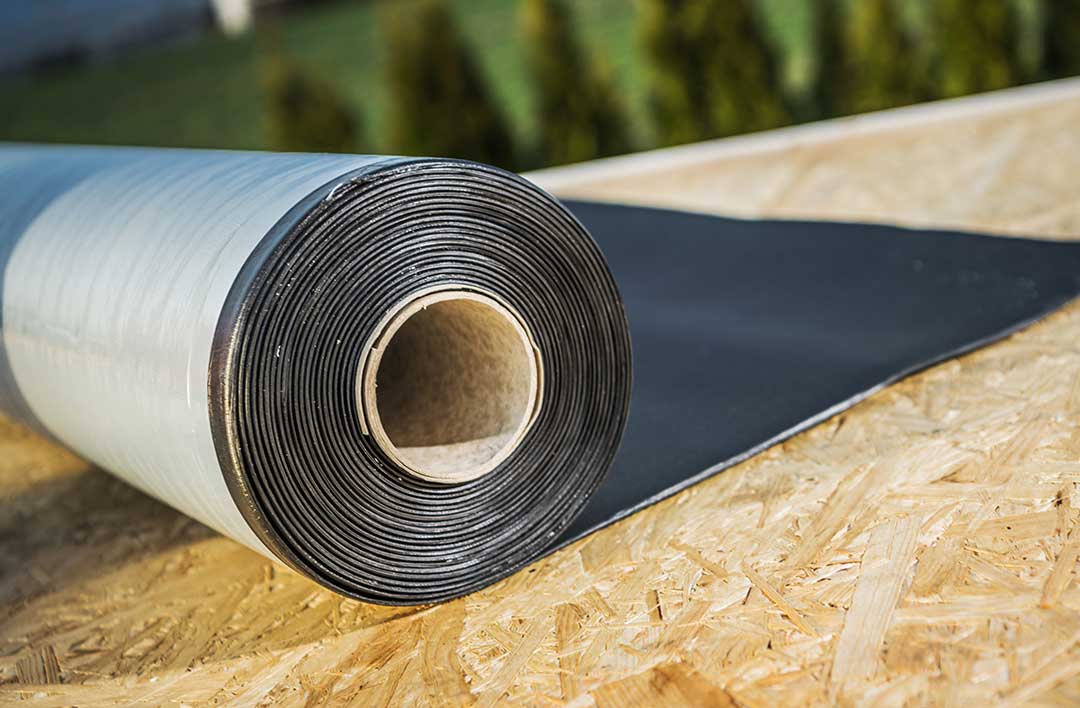
Full replacement generally provides the chance to fix hidden issues, improve insulation, and update underlayments (like ice and water shields) that are especially important in the community’s varied climate.
Are There Seasonal Considerations for Timing Roof Work?
Liverpool’s snowy winters and rainy springs can limit safe opportunities for major exterior projects. The ideal window for roof work usually falls between late spring and early fall, when weather is more predictable and humidity is manageable.
Delaying replacement may be tempting, but waiting too long—especially until after a noticeable leak—can invite mold growth, insulation damage, or unseen structural issues that increase repair costs.
Common Misconceptions About Roof Life in Liverpool
Some households assume no leaks means no problems, or that patching a few missing shingles is always enough. Yet many significant roof issues develop quietly over years. Another local misconception is expecting newer roofs to withstand every winter or storm without close monitoring; even modern materials suffer from wind uplift, ice damage, or improper past installation.
Prioritizing proactive assessment—inside and out—helps Liverpool households make informed, timely choices rather than reacting to emergencies during the region’s most challenging seasons.
