
![Close view of curled and cracked asphalt shingles with loose granules along a roof edge. KEYWORDS: ["curled asphalt shingles", "cracked roof shingles", "residential roof inspection"]](https://roofingexpertinliverpoolny.org/wp-content/uploads/sites/7650/2026/09/what-curling-and-cracked-shingles-mean-for-your-roof-in-liverpool-ny-1024x767.jpg)
Why do roof shingles curl or crack?
Curling and cracking usually indicate that asphalt shingles have been affected by age, heat, moisture, movement, or installation problems. A few damaged shingles may be isolated and repairable, but widespread deterioration often means the roof covering is nearing the end of its service life.
In Liverpool, NY, roofs experience repeated seasonal stress. Cold winters, freeze-thaw cycles, summer sun, wind, snow, and changing moisture levels can gradually weaken shingle surfaces. Damage may develop slowly and remain unnoticed until a homeowner sees lifted edges, exposed fasteners, or loose granules in the gutters.
Curling occurs when shingle edges or corners turn upward or downward. Cracking appears as splits through the shingle surface, often running vertically or forming a pattern across several shingles.
What causes shingle curling?
Several conditions can lead to curled shingles:
- Age-related drying: Asphalt shingles lose flexibility as they age. Once the material becomes brittle, edges are more likely to lift or bend.
- Poor attic ventilation: Excess heat and moisture below the roof deck can accelerate shingle aging. In winter, warm attic air may also contribute to condensation and uneven roof temperatures.
- Improper installation: Shingles installed with too few fasteners, incorrectly placed nails, or inadequate sealing may curl or blow upward.
- Wind exposure: Repeated wind can weaken the adhesive strips that hold shingle tabs together.
- Moisture beneath the shingles: Persistent dampness can affect the roof deck and reduce the shingles’ ability to lie flat.
- Manufacturing defects: Less commonly, shingles may curl prematurely because of material problems.
Curling at the edges does not always mean water is already entering the home. However, lifted shingles provide more opportunities for wind-driven rain to reach the underlayment and roof deck.
Why do asphalt shingles crack?
Cracks often form when shingles lose flexibility or move repeatedly as temperatures change. A roof surface can expand during warm weather and contract during cold weather. Over many seasons, that movement may produce splits in the shingle material.
There are two common patterns:
Surface or thermal cracking
These cracks may appear as narrow lines along the shingle surface. They can be related to aging, temperature changes, or long-term exposure to sunlight.
Stress cracking
Stress cracks may run through the shingle and sometimes appear near fasteners, edges, or areas where the roof surface has shifted. More serious cracking can allow water to move beneath the protective granule layer.
Cracks should not be covered casually with roof cement. A temporary patch may hide the visible line without restoring the shingle’s ability to shed water. The surrounding shingles and roof deck also need to be evaluated.
How can you tell whether the damage is minor or widespread?
A few isolated curled or cracked shingles may result from wind, falling branches, or localized installation issues. Widespread damage is more likely to reflect general aging or an underlying ventilation problem.
Look for patterns such as:
- Curling on many roof slopes
- Cracks across several rows of shingles
- Missing granules collecting in gutters or at downspouts
- Bare or dark patches where the shingle surface has worn away
- Loose, lifted, or missing tabs
- Exposed nail heads or underlayment
- Shingles that feel brittle or break when disturbed
- Water stains on ceilings, walls, or around attic framing
Damage on the south- or west-facing roof sections may be more advanced because those areas often receive stronger and longer periods of sun exposure. A shaded slope may age differently, even when all shingles were installed at the same time.
Can curled shingles be repaired?
Sometimes, but the answer depends on the extent and condition of the material. A single recently damaged shingle may be replaceable if matching shingles are available and the surrounding roof remains flexible and secure.
Repair becomes less practical when shingles are brittle, heavily curled, or difficult to separate without breaking neighboring pieces. Older roofs can also have color variation because the original shingles have weathered over time.
A repair should address the source of the damage rather than only the visible symptom. For example, replacing a curled shingle without examining attic ventilation may leave the same problem in place.
Roof work also presents fall hazards. A steep, wet, icy, or fragile roof should not be accessed by an untrained person. From the ground, binoculars can help identify lifted edges without walking on the roof.
Does cracked or curled roofing always mean the whole roof must be replaced?
No. Localized damage does not automatically require full replacement. The more useful question is whether the roof still has enough sound, flexible material to provide dependable protection.
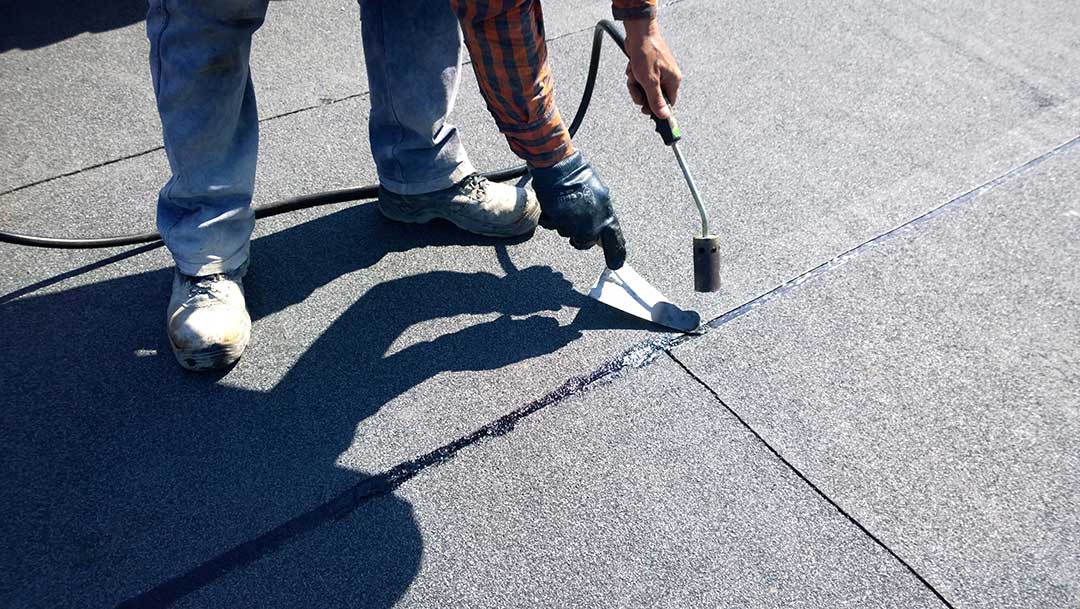
Full replacement becomes more likely when:
- Curling and cracking cover a large portion of the roof
- Shingles are near or beyond their expected service period
- Leaks have occurred in multiple locations
- The roof deck is soft, swollen, or deteriorated
- Wind damage has loosened many tabs
- Repairs would require disturbing large areas of brittle shingles
- Previous layers have already been installed over older roofing
A roof can look acceptable from the ground while having serious deterioration around valleys, chimneys, skylights, plumbing penetrations, and eaves. These areas deserve particular attention because they handle concentrated water flow or complex flashing transitions.
What should Liverpool residents check after winter?
After snow and freezing weather, inspect the attic and upper floors for signs of moisture. Look for discolored wood, damp insulation, rusty fasteners, peeling paint, or musty odors. A leak may not appear directly below the damaged shingle because water can travel along the roof deck or framing.
From the ground, check for:
- Shingle pieces in the yard or near downspouts
- Uneven roof lines
- Exposed dark underlayment
- Missing ridge caps
- Gaps around flashing
- Granules collecting in gutters
- Ice-damaged gutters or fascia
Snow guards, ladders, and other equipment should not be placed against fragile gutters or shingles without understanding the risk of damage. During icy conditions, roof access is especially dangerous.
How can further curling and cracking be delayed?
Regular observation and moisture control can slow avoidable deterioration. Keep gutters and downspouts clear so water does not back up under the roof edge. Trim branches that rub against shingles or drop heavy limbs. Maintain attic insulation and ventilation so the roof assembly can release heat and moisture appropriately.
Do not power-wash shingles, scrape off granules, or apply coatings that are not designed for the existing roofing material. These actions can remove protective granules and make the surface more vulnerable.
When a roof has visible curling, cracking, or missing shingles, document the location and pattern with photographs from the ground. Note whether the damage is concentrated on one slope or spread across the roof. That information helps distinguish a localized event from broader material aging and makes it easier to track changes over time.
IMAGE_ALT:
Close view of curled and cracked asphalt shingles with loose granules along a roof edge.
