
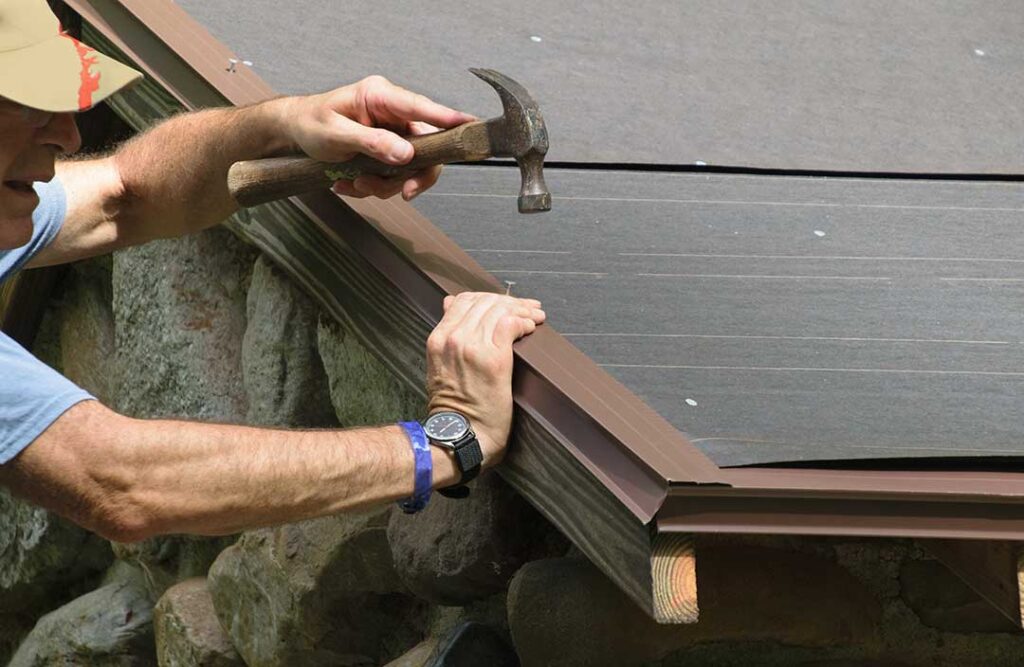
Why Are Professional Roof Inspections Needed in Liverpool, NY?
A roof inspection provides a thorough evaluation of the condition and potential vulnerabilities of a home's roofing system. In Liverpool, NY, the combination of harsh winters, freeze-thaw cycles, and occasional summer storms means that roof issues can develop in subtle ways. Inspections help homeowners identify small problems before they lead to leaks, energy loss, or more significant structural damage.
Local residents often ask if inspections are necessary for newer roofs. Even recently installed roofs can suffer unexpected damage from wind-blown debris, ice dams, or poor ventilation. Regular, objective assessments ensure the entire roof system is performing as it should, offering peace of mind and minimizing costly surprises.
What Should Residents Expect Before the Inspection Starts?
Ahead of an inspection, homeowners are generally asked to clear the driveway or provide access points, especially if the house has a steep slope or multiple levels. Inspectors sometimes need to access attic entryways, so clearing personal items from this area can be helpful. In Liverpool’s climate, expect an inspection to be scheduled during daylight hours and in dry weather, since wet or icy conditions can make roof access unsafe.
It’s a common misconception that inspectors will always climb on the roof. Weather, safety standards, or roof materials can sometimes mean visual inspections take place from the ground or using binoculars or drones. However, most routine inspections in area neighborhoods involve a combination of on-roof and exterior property checks.
What Areas Are Typically Checked?
The inspection covers much more than just shingles or tiles. In Liverpool, roofing experts evaluate a range of system components, including:
- Shingles or roofing material: The inspector looks for missing, curled, cracked, or blistered pieces, especially after winter.
- Flashing: Metal strips around chimneys, skylights, and vent pipes are checked for bends, rust, or lifting, which can let water seep beneath the roof surface.
- Gutters and downspouts: Clogged or damaged gutters can lead to ice dam formation or allow water to back up under roof edges.
- Eaves and soffits: These areas can hide signs of pest infestation, rot, or water stains.
- Attic interior: The inspector checks for insulation coverage, signs of leaks, mold, wood rot, and proper ventilation. In Liverpool’s cold months, attic ice or frost buildup signals potential trouble.
- Roof decking: Sagging, soft spots, or visible staining can indicate water infiltration under the top roof layer.
What Tools and Techniques Are Used?
Roof inspectors in the Liverpool area may use a combination of hands-on and technology-assisted methods:
- Moisture meters: To detect signs of hidden water damage in wood decking or underlayment.
- Infrared cameras: Sometimes used to identify heat loss or moisture pockets not visible to the naked eye.
- Binoculars or drones: For inspecting hard-to-reach or steep sections safely.
- Flashlights: For thorough attic and decking checks, especially in homes with limited lighting above the living space.
Using these tools, the inspector documents visible damage, the general condition, and any signs of premature aging or system failure.
What Issues Are Commonly Found in Liverpool Roof Inspections?
Homeowners in this region frequently ask about issues unique to local weather. Typical findings include:
- Ice dam residues along eaves, indicating past events where snowmelt backed up under shingles
- Shingle granule loss in gutters, often caused by the annual freeze-thaw cycle
- Moss or lichen growth, especially on north-facing slopes that remain shaded or damp
- Rusted or loose flashing, which can appear after heavy windstorms
- Short-term patches or quick fixes made by previous owners, especially on older homes
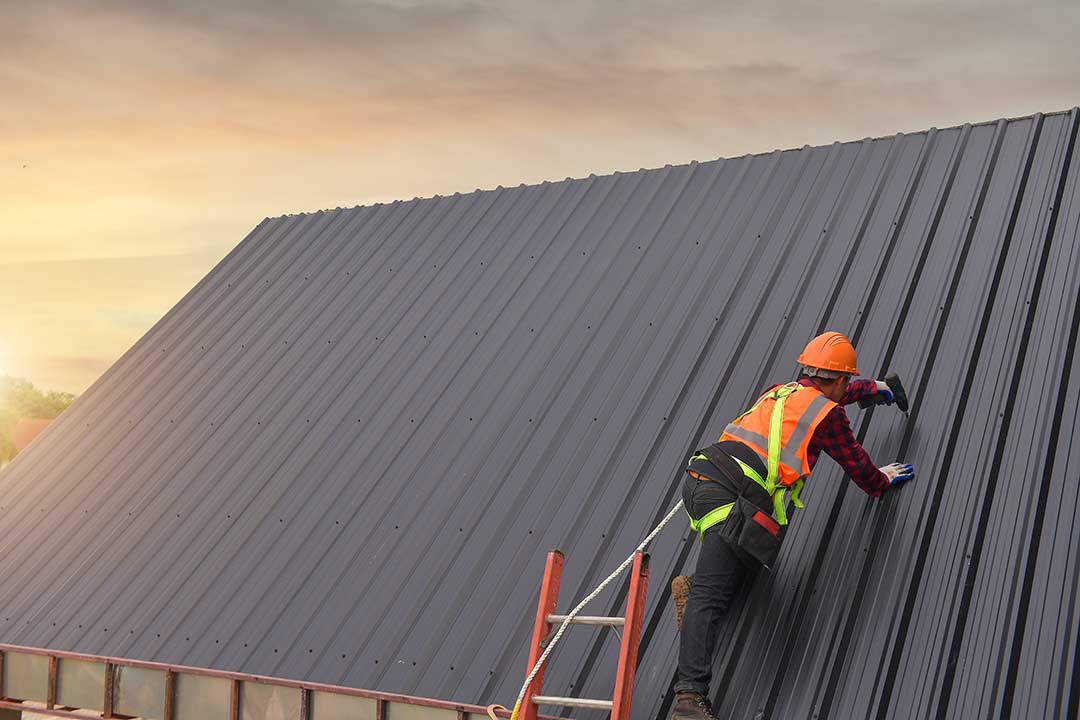
It’s also common for inspectors to spot ventilation problems that can contribute to ice dams or condensation in the attic space. Symptoms include uneven roof temperatures or frosty insulation during winter.
How Long Does an Inspection Usually Take?
Most residential roof inspections in the area take between 45 minutes and two hours, depending on the roof size, complexity, and accessibility. Homes with multiple levels, additions, or skylights often require a bit more time. Inspections scheduled after storms or large snow events may take longer, as inspectors need to check not only damage but also overall drainage and insulation performance.
What Happens After the Inspection?
Homeowners should expect a written report summarizing the findings. This report might include:
- Photographs of problem areas
- Explanatory notes describing what issues were found
- An overview of the general condition of the roofing system
- Suggestions for addressing any maintenance needs or potential repairs
A common misconception is that a passed inspection means “nothing will go wrong” for years. In reality, a roof inspection gives a current snapshot—it cannot predict every future issue, especially with Liverpool’s highly variable weather. The key benefit is knowing what needs immediate attention and what should be monitored over time.
Are There Any Preparations Residents Should Make?
Before the scheduled day, homeowners benefit from:
- Trimming overhanging branches to allow better roof access and visibility
- Unlocking gates or providing attic keys if relevant
- Collecting any recent records of roof repairs or warranty information for the inspector’s reference
Reviewing any leak or ceiling stain history is also helpful, as sharing this information can help the inspector focus on possible problem areas.
What Should Residents Do if Major Problems Are Found?
In cases where severe structural damage, extensive mold, or clear safety hazards (such as sagging roofs or electrical exposure in the attic) are discovered, further professional evaluation is usually necessary. Some issues—like visible roof leaks creating ceiling damage—require prompt mitigation to prevent interior harm or electrical risks.
Otherwise, most inspections simply result in advice on targeted repairs or routine maintenance. Regular follow-ups, especially after significant weather events, help area households avoid costly surprises and maintain the longevity of their roofing systems.
