
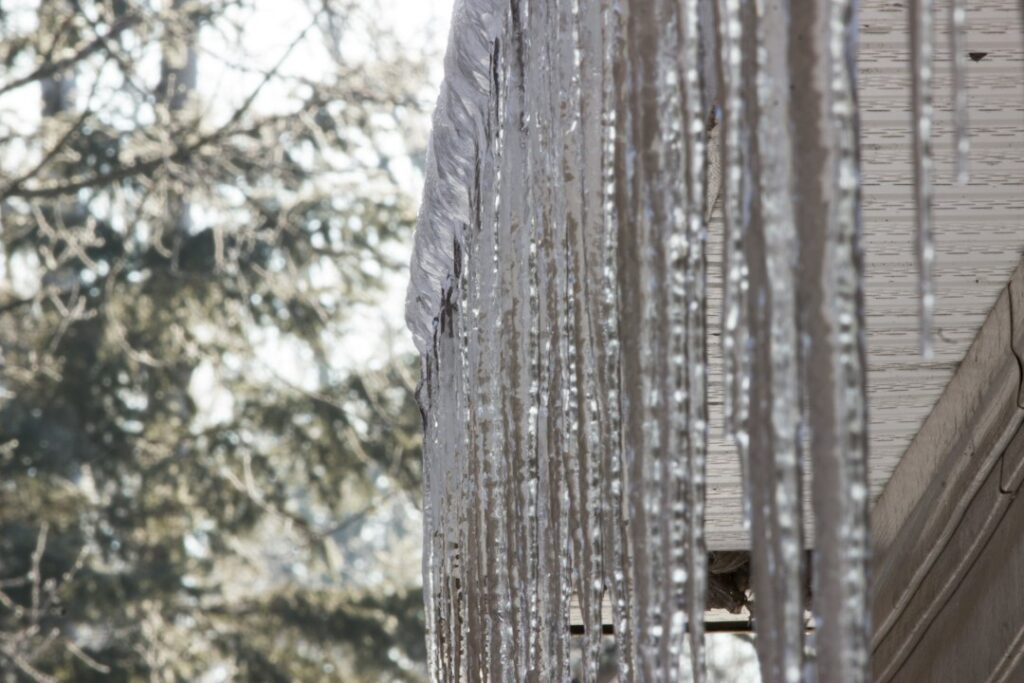
A roof problem rarely stays limited to the roof. A missing shingle, failed flashing seal, or small leak can allow water to reach insulation, wood framing, ceilings, electrical components, and finished living spaces. In Liverpool, NY, seasonal snow, ice, wind, rain, and repeated freeze-thaw cycles can make neglected damage worsen before it becomes obvious indoors.
What can happen if a roof repair is delayed?
Delaying a roof repair can increase the size, cost, and complexity of the damage. Water often travels away from the original entry point, so a ceiling stain may not be directly below the roof defect.
A small opening around a vent, chimney, skylight, or roof edge can permit moisture to enter during wind-driven rain or melting snow. Once inside, water may move along roof decking, rafters, insulation, drywall, and wiring. By the time a homeowner notices discoloration, the problem may have been present for several weeks or months.
Neglected repairs commonly lead to:
- Wet attic insulation
- Rotting roof decking or framing
- Damaged ceilings and walls
- Peeling paint and warped trim
- Mold growth and musty odors
- Electrical hazards near damp materials
- Weakened areas around roof penetrations
- Larger sections of roofing requiring replacement
The visible roof defect may be minor, but the hidden damage can be extensive.
Why are roof leaks especially concerning during winter?
Winter weather creates several ways for a roof defect to become more serious. Snow can cover damaged shingles and make visual inspection difficult. Melting snow may then enter through openings that would not cause noticeable problems during dry weather.
Ice dams are another concern. An ice dam forms when heat escaping through the upper part of a roof melts snow, allowing water to run toward a colder roof edge where it refreezes. The resulting ice can obstruct drainage and force water beneath shingles or behind roof-edge materials.
Ice dams are not caused by one single defect. Heat loss, attic insulation, ventilation, roof design, weather conditions, and existing damage can all contribute. However, a roof with loose shingles, deteriorated flashing, or weak edge details has less protection when ice and meltwater accumulate.
Heavy snow also adds weight to the roof structure. Most roofs are designed to carry expected seasonal loads, but weakened decking, long-term moisture damage, or structural deterioration can reduce the margin of safety.
Can a small roof leak damage the structure?
Yes. Long-term moisture can weaken wood components that support the roof and the upper portions of the home. Roof decking may soften or decay, while rafters and trusses can deteriorate around persistent leaks.
Structural damage does not always appear as a dramatic roof sag. Other warning signs may include:
- A ceiling that bows or feels soft
- Doors that begin sticking near an affected area
- Cracks forming around ceiling or wall joints
- Visible staining that expands after rain
- Damp or deteriorated attic wood
- Insulation that is compressed, wet, or discolored
A ceiling stain that dries after a storm should not automatically be considered harmless. The leak may be intermittent, with moisture entering only during particular wind directions, snowmelt conditions, or heavy rainfall.
How does neglected roof damage affect indoor air quality?
Persistent moisture creates conditions that support mold and mildew growth. These organisms can develop on wet insulation, drywall, wood, and other materials. Affected areas may produce a musty smell before visible growth appears.
Roof-related moisture can also increase indoor humidity and cause condensation in attics or upper rooms. This may be mistaken for a plumbing problem or ordinary winter dampness. If a leak continues, mold can spread beyond the original wet area through connected building materials and air movement.
People with allergies, asthma, or other respiratory sensitivities may notice increased irritation in a damp environment. Even when no one experiences immediate symptoms, moisture-damaged materials can continue to degrade and release odors.
Drying the affected area matters, but drying alone does not correct the source. If water continues entering through the roof, interior cleanup will provide only temporary relief.
What other parts of a home can a roof leak damage?
Water from a roof can affect more than ceilings and attic spaces. It may reach wall cavities, insulation, flooring, cabinets, and electrical fixtures.
Common secondary damage includes:
- Stained or collapsed ceiling drywall
- Warped flooring or subfloor materials
- Damaged paint and wallpaper
- Corroded fasteners and metal components
- Wet insulation that loses effectiveness
- Damp framing around windows or exterior walls
- Shortened service life for interior finishes

Moisture near light fixtures, fans, outlets, or wiring should be treated cautiously. Electricity and water create a potential shock and fire hazard. Affected circuits should not be disturbed casually, especially if there is active dripping, sagging drywall, or visible damage around electrical components.
Can neglect affect insurance coverage?
Home insurance policies differ, but gradual damage caused by deferred maintenance may be treated differently from sudden damage caused by a covered storm event. A policy may cover certain storm-related losses while excluding deterioration that developed over time.
Keeping records of roof inspections, maintenance, storm damage, and temporary protective measures can help establish what happened and when. Photographs are useful, particularly when they show the condition before and after a severe weather event.
Insurance questions depend on the specific policy and circumstances. A roof that has been leaking for a long period may present a different claim situation than a roof suddenly damaged by wind or falling debris.
What roof warning signs should residents watch for?
Some warning signs are visible from the ground, while others appear indoors. A safe ground-level check after major weather can identify problems that deserve closer attention.
Look for:
- Missing, lifted, cracked, or curled shingles
- Granules collecting near downspouts
- Torn or loose flashing
- Sagging roof edges or visible depressions
- Damaged gutters or downspouts
- Icicles combined with interior staining
- Dark patches or daylight visible in the attic
- Damp insulation or a musty attic odor
- New ceiling stains or bubbling paint
Do not climb onto a wet, icy, or snow-covered roof. Roof surfaces can be slippery, and hidden weak areas may not support a person safely. A ladder also becomes more hazardous during freezing temperatures or high winds.
Which roof problems require urgent attention?
Active leaks, ceiling sagging, exposed electrical components, major storm damage, and large areas of missing roofing deserve prompt attention. A ceiling that is bulging from trapped water may fail suddenly, so people should avoid standing beneath it.
Emergency measures may include placing containers under active drips, moving furniture away from wet areas, and carefully shutting off power to an affected circuit if it can be done safely. Roof coverings should not be walked on during dangerous conditions, and temporary coverings should be installed only when conditions allow safe access.
Routine concerns such as aging shingles or minor surface wear still deserve tracking. Addressing them before severe weather reduces the chance that a manageable repair will become interior water damage, structural deterioration, or a winter emergency.
How can roof neglect be prevented?
Prevention begins with periodic observation rather than waiting for a leak. After high winds, heavy rain, or substantial snowfall, check ceilings, attic areas, gutters, and roof edges when it is safe to do so.
Keep records of recurring stains, repairs, and areas that require monitoring. Pay particular attention to roof penetrations, valleys, edges, chimneys, and places where different materials meet. These locations experience more movement and weather exposure than broad, uninterrupted roof surfaces.
In this climate, seasonal checks are especially useful before winter and again after snow and ice have cleared. Early attention cannot prevent every roof problem, but it can limit how far moisture travels and reduce the amount of damaged material inside the home.
