
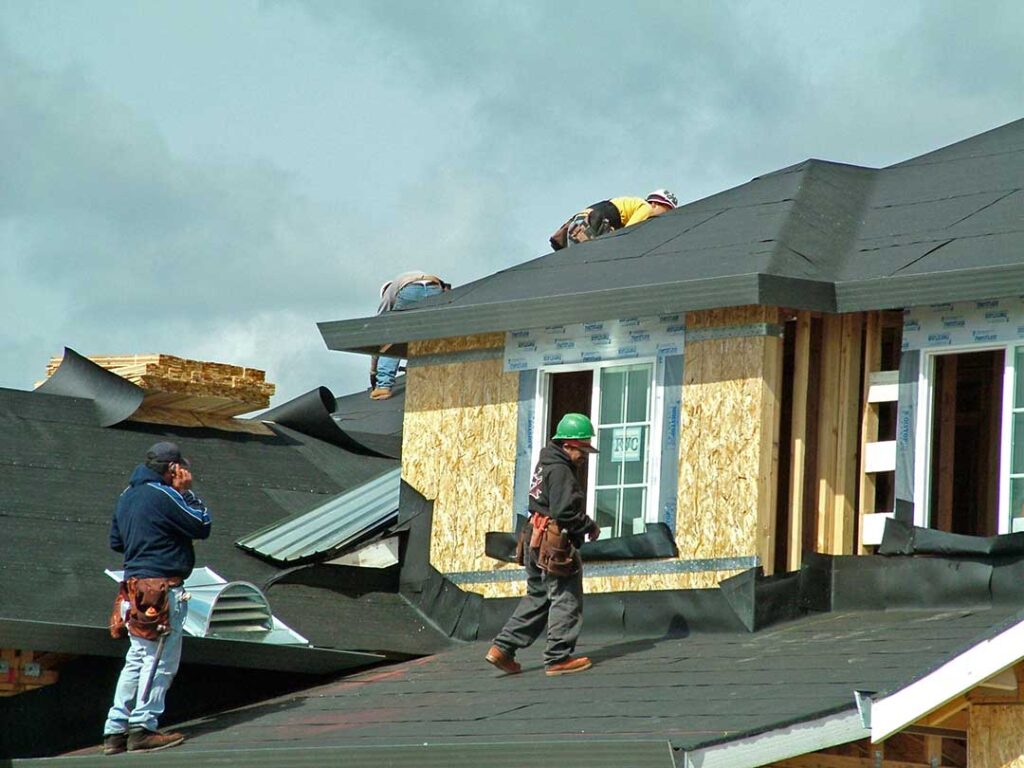
Why Check Your Roof After a Storm?
Storms in Liverpool, NY often bring strong winds, heavy rain, hail, or even wet snow, each capable of damaging local roofs. Even if a roof seems fine from the street, damage may be hidden or subtle at first. Unnoticed problems can lead to leaks, mold, or future structural issues. Checking soon after a storm helps residents spot issues early and plan repairs before small problems grow.
How Can Visible Signs of Roofing Damage Be Identified?
A quick walk around your home can reveal many signs of storm impact. Start with the ground—look for shingles, flashing, or other roofing material fragments in the yard or near gutters. Then safely view the roof from the ground using binoculars, paying attention to:
- Missing, cracked, curling, or lifted shingles
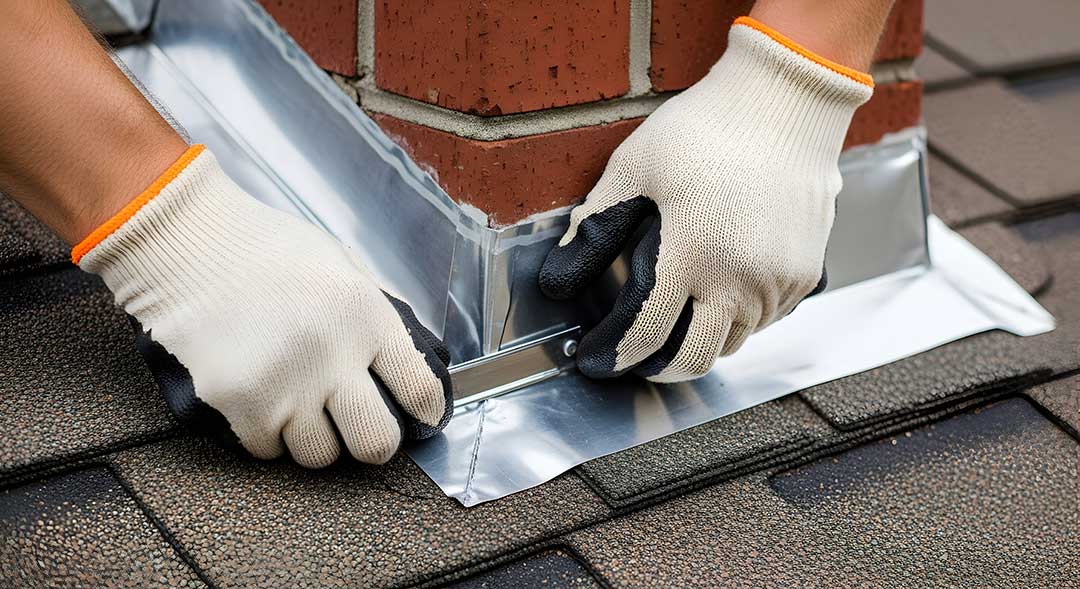
- Exposed or bent flashing (the metal pieces at roof intersections)
- Granules collecting in gutters or below downspouts—these are the gritty surface on asphalt shingles and signal accelerated wear
- Dents or impact marks if hail occurred recently
More subtle signals include uneven roof lines or noticeable dips, which can point to underlying structural changes.
What Indoor Clues Suggest a Roofing Problem?
Even without visible damage outside, changes inside a home might alert residents to roof issues after storms. After heavy weather, check:
- Ceilings and upper wall corners for new stains or discoloration
- Bubbling or peeling paint near the attic area
- Musty odors in the attic, which could mean moisture is getting in
Especially in older Liverpool homes, attic insulation might hide leaks. Lifting a small section to check for dampness or mold can help pinpoint problems early.
Are Gutters and Downspouts Important to Inspect?
Yes, storm debris often clogs gutters and can worsen roof leaks or ice damming. After a storm has passed and it is safe, check that gutters and downspouts are firmly attached, clear of blockages, and draining water well. Sagging sections, pulled-away fasteners, or standing water in the gutters are all signs of potential trouble that can impact the roof over time.
What Safety Precautions Should Be Taken?
Roof inspections always have risks, especially after rain, ice, or windstorms. If roof access is absolutely necessary, wait until surfaces are dry and use extreme caution:
- Never step directly onto a wet or icy roof
- Use a sturdy, properly placed ladder
- Have someone nearby for assistance
- Avoid climbing on steep or high roofs—observe from the ground when possible
If a roof is severely damaged (missing sections, sagging areas, or power lines involved), wait for damage to be professionally assessed to avoid personal injury.
Is All Storm Damage Easy to Spot Immediately?
No, some problems develop over days or weeks. For example, slow leaks may not cause ceiling spots right away, and loosened shingles might only blow off in the next heavy wind. It’s beneficial for Liverpool residents to check the attic and visible roof surfaces a second time within a week or after the next rainfall, looking for fresh leaks or shifting materials.
What Types of Roofs Are Most Vulnerable Locally?
Homes in the Liverpool area may have asphalt shingles, metal roofs, or older wood shakes. Asphalt shingles are especially susceptible to wind lift and hail impact. Flat or low-sloped roofs, which are sometimes found on porches or additions, are more prone to pooling water after storms. Residents should be aware of their particular roof type’s vulnerabilities and keep these in mind during checks.
What Common Storm Damage Gets Overlooked?
Residents sometimes focus on missing shingles or obvious holes but miss issues like:
- Damaged roof vents or exhaust pipes (look for dents, cracks, or displaced caps)
- Loosened or rusted flashing around chimneys and skylights
- Siding, soffit, or fascia board movement or gaps, which can invite water
- Satellite dishes or solar panels knocked loose
These problems can all allow water infiltration and should be checked alongside the roof surface itself.
When Should Emergency Measures Be Taken?
Immediate action is only required if interior water intrusion is active or structural instability is obvious (like ceiling bowing or collapse). In such cases, placing buckets to collect water, moving valuables away, and—if safe—covering holes temporarily with a waterproof tarp can help. Avoid climbing on the roof during ongoing rain or wind.
