
What Is a Roof Warranty?
A roof warranty is a written promise that provides homeowners with specific protections if their new roof develops issues within a certain time frame. For residents in Liverpool, NY, understanding how roof warranties work can be the difference between peace of mind and unexpected expenses, especially given the area’s harsh winters and unpredictable spring weather.
Generally, there are two main types of roof warranties:
- Manufacturer warranties, which cover roofing materials against defects.
- Workmanship warranties, which guarantee proper installation by the contractor.
These protections can vary widely in terms of coverage length, what is included, and what is excluded.
What Does a Typical Roof Warranty Cover?
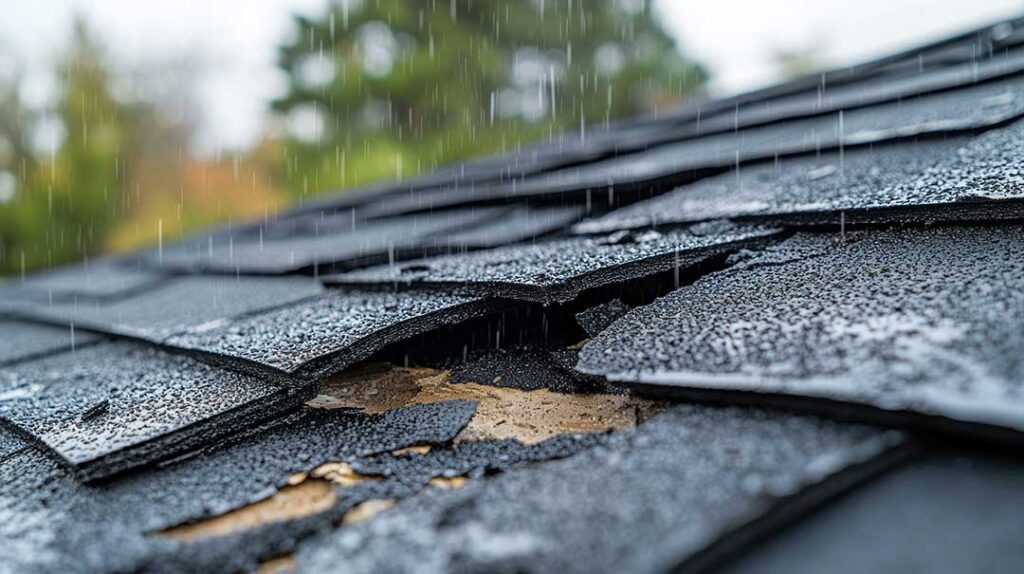
Most manufacturer warranties safeguard against manufacturing defects in the roofing materials for a set number of years. This often includes issues like shingle cracking, granule loss, or early material failure.
Workmanship warranties are separate and address problems related to how the roof was installed. For example, if shingles were not nailed down properly and leaks result, this part of the warranty would become relevant.
In Liverpool, where freeze-thaw cycles can strain roofing systems, it’s helpful to know which warranty addresses:
- Leaks caused by installation errors
- Premature curling or blistering of shingles
- Material failures not caused by external damage
Some warranties offer limited protection, only covering materials, while others feature more comprehensive coverage—sometimes even including tear-off and disposal of faulty shingles.
What Isn’t Covered by Most Roof Warranties?
Even the best roof warranties have exclusions that can surprise homeowners. Most do not cover:
- Damage from severe weather events (like hail, wind gusts outside specified limits, or heavy snow accumulation)
- Leaks or issues caused by poor attic ventilation—something Liverpool homes, with their variable insulation quality, should watch for
- Routine wear and tear after the warranty period
- Improper maintenance, such as allowing moss or debris to build up
- Certain types of roof alterations, such as installing solar panels or antennas, which may void coverage
It’s a good idea to review the fine print so you aren’t caught off guard by a denied claim during the region’s rainy season or winter thaw.
How Long Do Roof Warranties Last?
Warranties for roofing materials typically range from 20 years to so-called “lifetime” coverage, though the definition of “lifetime” can depend on who holds the policy and may be prorated after a certain point. Workmanship warranties are usually shorter, often 2–10 years from installation.
For local homeowners, warranty periods are often influenced by:
- The type of roofing materials chosen (asphalt shingles, metal, etc.)
- The builder’s or installer’s specific policies
- Whether the warranty is transferable to future owners (an important consideration for those thinking about selling their homes)
Manufacturer warranties may require registration soon after installation to be valid, so it’s wise to check timelines to keep coverage active.
Are All Roof Warranties the Same?
No two warranties are identical, even for the same roofing product. In Liverpool, neighbors may have very different protections based on which materials were used, who installed them, and whether the roofs have received regular maintenance.
Differences can include:
- Whether labor is covered for repairs or just materials
- Deductibles for certain types of claims
- Homeowner responsibilities, such as documenting annual inspections or doing seasonal cleaning
- Transfer rules, including fees or time limits
Always ask for a copy of both the material and labor warranties and take time to read each section. If anything is unclear, searching for explanations or asking questions can save headaches down the road.
What Steps Should Homeowners Take to Maintain Coverage?
To keep warranty protection intact, most agreements require following specific maintenance or usage guidelines. Local households should:
- Inspect the roof each spring and fall, particularly after heavy snows or large storms
- Keep gutters and downspouts clear to prevent backup and ice dams—a frequent concern after Liverpool’s snowy winters
- Avoid pressure washing shingles, as this can void coverage or damage granules
- Work with licensed professionals for any roofing modifications (like skylight additions) to keep warranties valid
Always document inspections and repairs with photos or receipts. This makes filing a claim much smoother if damage does occur.
What Are Common Misconceptions About Roof Warranties?
Residents sometimes mistakenly believe that a warranty automatically covers any leak or that “lifetime” means unlimited repairs forever. In reality:
- Most warranties only address specific defects or errors specified in the document
- Damage from local wildlife (birds, squirrels), tree branches, or homeowner projects are rarely covered
- Lifetime coverage may reduce after 10–15 years, with homeowners responsible for increasing portions of repair costs
It’s worth noting that registering the warranty, providing proof of regular maintenance, and saving installation documentation remain essential steps—warranties are often voided due to small oversights.
How Does the Local Climate Impact Roof Warranty Claims?
Liverpool’s climate is hard on roofing. The combination of snow, ice dams, rapid freeze-thaw cycles, and summer heat can stress materials and accelerate wear. Area households should be aware that:
- Ice damming or ponded water from snowmelt may result in leaks not covered unless directly caused by manufacturing or installation issues
- Mold or rot from unchecked leaks may be excluded from coverage if viewed as a preventable issue
- Hail or storm damage must usually be handled through homeowners insurance, not a roof warranty
Monitoring the condition of the roof throughout the year—especially after winter—helps sustain coverage and maximize the useful life of your warranty.
