
What is the difference between re-roofing and roof replacement?
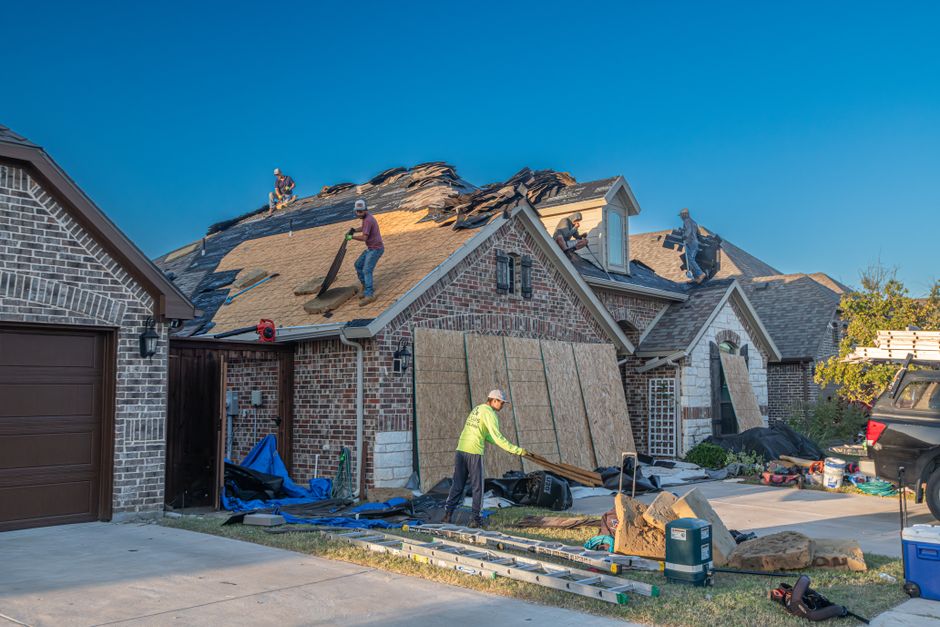
Re-roofing adds a new layer of roofing material over an existing layer. Roof replacement removes the old roofing system before installing new materials, allowing the roof deck, underlayment, flashing, and other components to be inspected and repaired.
The terms are sometimes used interchangeably, but they describe different levels of work. Re-roofing is primarily a surface renewal. Replacement is a more complete rebuilding of the roof system.
For homeowners in Liverpool, NY, that distinction matters because winter snow, ice, wind, heavy rain, and repeated freeze-thaw cycles can expose problems that are not visible from the ground.
How does re-roofing work?
During a re-roofing project, new shingles or another approved roof covering are installed over the existing covering. The underlying roof structure generally remains in place.
This approach may be suitable when:
- The existing roof has only one layer of roofing material.
- The roof deck is dry, stable, and free from widespread deterioration.
- The existing roof has a reasonably straight surface without major sagging or waves.
- Leaks are limited and do not indicate extensive damage below the roof covering.
- The current roofing system is compatible with another layer.
- Local building requirements allow the additional layer.
Re-roofing can provide a refreshed appearance and may extend the useful service life of a roof. It can also reduce the amount of old roofing material removed from the property.
However, re-roofing does not correct problems that are hidden beneath the existing shingles. Damaged sheathing, inadequate ventilation, deteriorated flashing, and moisture trapped between layers may remain unless the old covering is removed.
What happens during a full roof replacement?
A full roof replacement usually begins with removal of the existing shingles, underlayment, flashing, and related materials. Once the roof deck is exposed, it can be examined for rot, water staining, soft areas, split wood, or other damage.
The replacement process may include:
- Removing the old roof covering.
- Inspecting the roof deck and replacing damaged sections.
- Installing new underlayment and water-shedding materials.
- Updating flashing around chimneys, walls, valleys, and roof penetrations.
- Reviewing attic ventilation and air movement.
- Installing new shingles or another roof covering.
- Checking edges, ridges, valleys, and drainage details.
Replacement provides a clearer view of the roof’s actual condition. That makes it easier to address the cause of recurring leaks instead of covering the visible symptoms.
Which option is better for an older roof?
Age alone does not determine the answer, but an older roof with several warning signs is more likely to need replacement than re-roofing.
Replacement is usually the more appropriate direction when the roof has:
- Multiple layers of shingles.
- Widespread curling, cracking, blistering, or missing shingles.
- Repeated leaks in different areas.
- Soft or sagging sections.
- Rotted roof decking.
- Damaged flashing around chimneys, walls, skylights, or vents.
- Evidence of moisture in the attic.
- Poor previous repairs that have created uneven surfaces.
- Persistent ice-dam or wind-related damage.
A roof that looks acceptable from the yard may still have problems beneath the surface. Dark stains, peeling paint near the ceiling, damp insulation, musty attic odors, and water marks around roof penetrations can all suggest moisture intrusion.
Can re-roofing hide serious problems?
Yes. Re-roofing can conceal defects that are difficult to identify without removing the existing covering.
This is one of the main limitations of installing a second layer. If wet or deteriorated materials remain underneath, the new roof may appear improved while the underlying damage continues. Trapped moisture can also contribute to wood decay, mold growth, and reduced insulation performance.
Re-roofing is not automatically a poor choice. It can be reasonable when the existing roof has been carefully evaluated and the problem is limited to the outer covering. The concern is not the added layer itself; the concern is using it to avoid investigating known or suspected structural damage.
How do local weather conditions affect the decision?
The community experiences conditions that can be hard on roofing materials. Snow accumulation adds weight, ice can lift or crack roofing components, and freeze-thaw cycles allow water to expand in small gaps. Summer heat and strong storms can also accelerate aging.
These conditions make details such as flashing, underlayment, drainage, and ventilation especially significant. A surface-only approach may not address issues caused by blocked drainage, inadequate attic airflow, or recurring moisture around roof edges.
Homes with large roof planes, low-slope sections, older additions, enclosed attics, or complex roof intersections may require closer evaluation. Areas around chimneys, dormers, valleys, skylights, and plumbing vents often experience problems before the rest of the roof.
Does re-roofing cost less than replacement?
Re-roofing generally involves less removal and disposal, so the initial project cost may be lower. It may also take less time and create less disruption.
That does not automatically make it the less expensive choice over the life of the roof. If the new layer fails because damaged decking, bad flashing, or trapped moisture was left underneath, another repair or replacement may be needed sooner.
A proper comparison should consider more than the price of the new shingles. Homeowners may also need to consider:
- The remaining life of the existing roof.
- The condition of the roof deck.
- The number and quality of existing layers.
- Flashing and ventilation improvements.
- Disposal requirements.
- Potential interior water damage.
- Whether the property may be sold in the future.
A lower upfront cost can be reasonable when the existing roof is fundamentally sound. It is less useful when the roof is already near the end of its service life or has hidden damage.
How do building requirements factor in?
Roofing work must comply with applicable building requirements, including rules concerning roof layers, structural capacity, drainage, flashing, ventilation, and materials. Requirements can change, and local enforcement may depend on the scope of the work.
A homeowner should not assume that a second layer is permitted simply because it is technically possible. Permit questions, inspection requirements, and material limitations should be verified before work begins, particularly when the project involves structural repairs or a change to the roof system.
What questions should homeowners ask before choosing?
A useful evaluation should identify what is known, what is hidden, and what could become a problem later. Questions include:
- How many existing roof layers are present?
- Is the roof deck dry and structurally sound?
- Are leaks isolated or widespread?
- Is any flashing failing?
- Is attic ventilation adequate?
- Are there signs of ice-dam damage or wind exposure?
- Will the proposed work meet current requirements?
- What materials will be removed, repaired, or left in place?
- How will damaged wood be handled if discovered?
The basic distinction is straightforward: re-roofing renews the outer covering, while roof replacement rebuilds the roofing system from the deck upward. For a sound roof with limited surface wear, re-roofing may be practical. For a roof with structural damage, repeated leaks, multiple layers, or widespread aging, removing the existing system usually provides a more reliable understanding of what the home needs.
